
Recommended Global Diabetes & Endocrinology Webinars & Conferences
Diabetes Medicare 2026
- Welcome Message
- About Diabetes Medicare 2026
- Why Attend Diabetes Medicare 2026?
- Sessions & Tracks
- Market Analysis Report
- Past Conference Report
Welcome Message
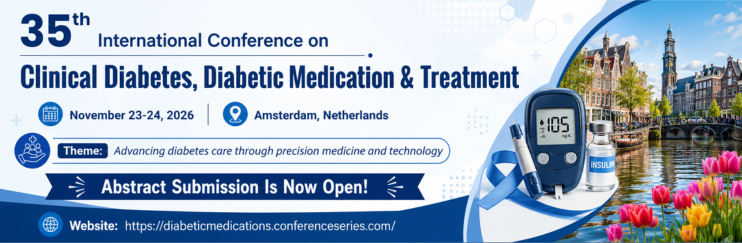
Welcome to the 35th International Conference on Clinical Diabetes, Diabetic Medication & Treatment
November 23–24, 2026 | Amsterdam, Netherlands
It is our great pleasure to welcome distinguished researchers, clinicians, healthcare professionals, academicians, industry experts, and delegates from around the world to this premier gathering dedicated to advancing diabetes care and treatment.
Under the theme, "Advancing Diabetes Care Through Precision Medicine and Technology," this conference provides a dynamic platform for sharing innovative research, emerging therapeutic approaches, cutting-edge technologies, and best practices in diabetes management. Together, we will explore the latest developments in clinical diabetes, diabetic medications, personalized treatment strategies, and digital health solutions that are shaping the future of patient care.
Over the course of two days, participants will have the opportunity to engage in insightful keynote presentations, scientific sessions, panel discussions, and networking activities designed to foster collaboration and knowledge exchange among experts across disciplines.
We sincerely thank all speakers, sponsors, exhibitors, and attendees for their valuable contributions and commitment to improving the lives of individuals affected by diabetes worldwide.
We wish you a productive, inspiring, and rewarding experience in Amsterdam and look forward to your active participation in making this conference a resounding success.
Welcome to the 35th International Conference on Clinical Diabetes, Diabetic Medication & Treatment 2026!
About Diabetes Medicare 2026
The 35th International Conference on Clinical Diabetes, Diabetic Medication & Treatment (Diabetes Medicare 2026) will be held on November 23–24, 2026, in Amsterdam. This international conference brings together leading researchers, endocrinologists, diabetologists, healthcare professionals, academicians, pharmaceutical experts, and industry leaders to discuss the latest advancements in diabetes prevention, diagnosis, treatment, and management.
Centered on the theme “Advancing Diabetes Care Through Precision Medicine and Technology,” the conference aims to foster scientific collaboration and knowledge exchange on emerging trends in clinical diabetes care. The program will feature keynote lectures, plenary sessions, oral and poster presentations, panel discussions, workshops, and networking opportunities designed to address current challenges and future directions in diabetes research and treatment.
Diabetes Medicare 2026 will cover a broad range of topics, including:
- Clinical Diabetes Management
- Type 1 and Type 2 Diabetes
- Diabetic Medications and Therapeutics
- Precision Medicine in Diabetes Care
- Artificial Intelligence and Digital Health Technologies
- Continuous Glucose Monitoring and Insulin Delivery Systems
- Diabetes Prevention and Public Health Strategies
- Diabetic Complications and Comorbidities
- Nutrition, Lifestyle, and Behavioral Interventions
- Pediatric and Geriatric Diabetes Care
- Emerging Research and Innovative Treatment Approaches
The conference serves as a global platform for sharing groundbreaking research, exploring technological innovations, and promoting multidisciplinary collaboration to improve outcomes for people living with diabetes worldwide. Participants will gain valuable insights into the latest scientific discoveries, evidence-based practices, and future developments that are transforming diabetes care.
Join Diabetes Medicare 2026 in Amsterdam to connect with global experts, exchange knowledge, and contribute to the advancement of diabetes treatment and patient-centered care.
Why Attend Diabetes Medicare 2026?
The 35th International Conference on Clinical Diabetes, Diabetic Medication & Treatment (Diabetes Medicare 2026) offers a unique opportunity for healthcare professionals, researchers, academicians, industry experts, and students to engage with the latest developments in diabetes care and treatment.
Key Reasons to Attend
1. Learn from Global Experts
Gain insights from renowned clinicians, researchers, and industry leaders who will share their expertise on the latest advances in diabetes management, therapeutic innovations, and clinical practices.
2. Explore Cutting-Edge Research
Discover groundbreaking findings in clinical diabetes, diabetic medications, precision medicine, digital health technologies, and emerging treatment strategies through keynote sessions, presentations, and scientific discussions.
3. Stay Updated on Emerging Technologies
Learn about the newest innovations in continuous glucose monitoring, insulin delivery systems, artificial intelligence, wearable devices, and digital solutions that are transforming diabetes care.
4. Expand Your Professional Network
Connect with healthcare professionals, researchers, pharmaceutical representatives, policymakers, and technology innovators from around the world, creating opportunities for collaboration and career growth.
5. Present Your Research
Showcase your work to an international audience, receive valuable feedback from experts, and increase the visibility of your research through oral and poster presentations.
6. Enhance Clinical Practice
Gain practical knowledge and evidence-based approaches that can be directly applied to improve patient outcomes and diabetes management strategies in clinical settings.
7. Discover Industry Innovations
Interact with exhibitors and sponsors presenting the latest pharmaceutical products, medical devices, diagnostic tools, and healthcare technologies.
8. Foster Multidisciplinary Collaboration
Engage with professionals from diverse fields including endocrinology, nutrition, pharmacy, nursing, public health, biotechnology, and medical technology to address complex diabetes challenges.
9. Earn Academic and Professional Recognition
Participating in an international conference enhances professional development, supports academic growth, and demonstrates commitment to advancing healthcare excellence.
10. Experience Amsterdam
Enjoy the opportunity to attend a world-class scientific event in Amsterdam, one of Europe's most vibrant and culturally rich cities.
Who Should Attend?
- Endocrinologists and Diabetologists
- Physicians and Clinicians
- Researchers and Scientists
- Pharmacists and Pharmaceutical Professionals
- Nurses and Diabetes Educators
- Nutritionists and Dietitians
- Healthcare Administrators
- Medical Device and Technology Experts
- Academic Faculty and Students
- Public Health Professionals
Join Diabetes Medicare 2026 to gain knowledge, build collaborations, discover innovations, and contribute to shaping the future of diabetes care and treatment worldwide.
Sessions & Tracks
Session 01: Emerging Technologies and Digital Innovation
The "Emerging Technologies and Digital Innovation" track explores the rapidly evolving technological landscape that is transforming industries, economies, and societies worldwide. This session provides participants with a comprehensive understanding of cutting-edge technologies such as artificial intelligence, machine learning, cloud computing, the Internet of Things (IoT), blockchain, big data analytics, cybersecurity, augmented reality, virtual reality, and next-generation communication networks. The track examines how these innovations are driving digital transformation, enabling organizations to enhance operational efficiency, improve customer experiences, develop new business models, and create sustainable competitive advantages. Participants will gain insights into the opportunities and challenges associated with technology adoption, including ethical considerations, data privacy concerns, regulatory frameworks, workforce transformation, and digital inclusion. Through expert presentations, case studies, research findings, and interactive discussions, the session highlights successful implementation strategies across sectors such as healthcare, education, manufacturing, finance, agriculture, transportation, and public services. Special emphasis is placed on understanding how emerging technologies can support sustainable development goals, foster economic growth, and address complex societal challenges. The track also explores the role of innovation ecosystems, startups, research institutions, industry collaborations, and government initiatives in accelerating technological advancement and digital readiness. Attendees will learn about current trends, future developments, and practical applications that are shaping the digital economy while gaining valuable perspectives on innovation management, technology leadership, and strategic decision-making. The session encourages interdisciplinary engagement and knowledge sharing among researchers, practitioners, policymakers, entrepreneurs, and students, creating opportunities for collaboration and the exchange of ideas. By examining real-world examples and emerging best practices, participants will develop a deeper appreciation of how technology can be leveraged responsibly and effectively to create meaningful impact. The track further discusses skills development and workforce preparedness in the digital age, emphasizing the importance of continuous learning, adaptability, and innovation-oriented mindsets. As organizations navigate an increasingly complex and interconnected environment, understanding the implications of technological change becomes essential for achieving resilience, competitiveness, and long-term success. This session serves as a platform for exploring transformative innovations, identifying emerging opportunities, and fostering dialogue on the future of technology-driven growth and development in a rapidly changing world.
Session 02: Sustainable Development and Green Technologies
The Sustainable Development and Green Technologies track focuses on innovative approaches, policies, and technological solutions that promote environmental sustainability, resource efficiency, and responsible economic growth. This session explores the critical role of green technologies in addressing global challenges such as climate change, environmental degradation, energy security, waste management, water conservation, and sustainable urban development. Participants will gain insights into emerging advancements in renewable energy systems, smart grids, electric mobility, sustainable agriculture, green manufacturing, circular economy practices, carbon reduction strategies, and environmentally friendly infrastructure. The track highlights how governments, industries, research institutions, and communities can collaborate to achieve sustainable development goals while balancing economic, social, and environmental priorities. Through research presentations, case studies, and expert discussions, attendees will examine successful sustainability initiatives, innovative business models, and policy frameworks that support long-term environmental stewardship. The session also addresses the importance of technological innovation, digital solutions, and data-driven decision-making in creating resilient and sustainable systems. Special attention is given to the challenges of implementation, including financial constraints, regulatory requirements, technological adoption, and public awareness. Participants will explore opportunities for fostering sustainable practices across various sectors, including energy, transportation, agriculture, construction, healthcare, and education. The track encourages interdisciplinary collaboration and knowledge exchange among researchers, policymakers, entrepreneurs, industry professionals, and students to develop practical solutions for a greener future. By showcasing emerging trends and best practices, this session aims to inspire innovative thinking, support sustainable transformation, and contribute to building environmentally responsible societies capable of meeting present needs without compromising the ability of future generations to meet their own.
Session 03: Artificial Intelligence and Data Science
The Artificial Intelligence and Data Science track explores the transformative impact of intelligent technologies and data-driven approaches across diverse domains. This session provides a platform for discussing recent advancements in artificial intelligence, machine learning, deep learning, natural language processing, computer vision, predictive analytics, big data technologies, and intelligent decision-support systems. Participants will gain insights into how AI and data science are reshaping industries by enhancing automation, improving operational efficiency, enabling personalized services, and supporting evidence-based decision-making. The track highlights innovative applications in healthcare, education, finance, manufacturing, agriculture, transportation, cybersecurity, and smart cities. Through research presentations, case studies, and expert discussions, attendees will examine emerging trends, practical implementations, and future opportunities in the field. The session also addresses critical issues such as data quality, privacy, security, algorithmic fairness, ethical AI, transparency, and governance frameworks. Special emphasis is placed on the integration of artificial intelligence with other emerging technologies to solve complex real-world problems and drive sustainable innovation. Participants will explore methods for extracting valuable insights from large and complex datasets, developing intelligent systems, and leveraging predictive models for strategic planning and risk management. The track encourages collaboration among researchers, industry professionals, policymakers, and students to advance knowledge, share best practices, and foster innovation. By examining both theoretical foundations and practical applications, this session aims to enhance understanding of the opportunities and challenges associated with AI and data science while promoting responsible and impactful technological development for the benefit of society and industry.
Session 04: Cybersecurity and Information Assurance
The Cybersecurity and Information Assurance track focuses on protecting digital systems, networks, applications, and data from evolving cyber threats in an increasingly connected world. This session explores current developments, challenges, and solutions in cybersecurity, including network security, cloud security, ethical hacking, digital forensics, cryptography, threat intelligence, malware analysis, risk management, and security governance. Participants will gain insights into the strategies and technologies used to safeguard critical information assets, maintain privacy, and ensure business continuity across various sectors. The track highlights the growing importance of cybersecurity in government, healthcare, finance, education, manufacturing, and other industries that rely heavily on digital infrastructure. Through research presentations, case studies, and expert discussions, attendees will examine emerging cyber threats, attack vectors, security frameworks, and best practices for building resilient systems. The session also addresses legal, ethical, and regulatory aspects of information security, emphasizing compliance, data protection, and responsible cyber practices. Special attention is given to emerging technologies such as artificial intelligence, blockchain, cloud computing, and the Internet of Things, and their implications for cybersecurity. Participants will explore innovative approaches to threat detection, incident response, vulnerability assessment, and security awareness programs. The track encourages collaboration among researchers, cybersecurity professionals, policymakers, industry experts, and students to develop effective solutions for addressing complex security challenges. By fostering knowledge exchange and interdisciplinary engagement, this session aims to strengthen understanding of cybersecurity principles, promote proactive defense strategies, and support the creation of secure, trustworthy, and resilient digital environments for individuals, organizations, and society as a whole.
Session 05: Internet of Things (IoT) and Smart Systems
The Internet of Things (IoT) and Smart Systems track explores the growing ecosystem of interconnected devices, intelligent technologies, and automated systems that are transforming modern life and industry. This session focuses on the design, development, implementation, and management of IoT-enabled solutions that facilitate real-time monitoring, data collection, communication, and decision-making. Participants will gain insights into key areas such as sensor networks, embedded systems, edge computing, cloud integration, wireless communication technologies, smart devices, and intelligent automation. The track highlights innovative applications of IoT in smart cities, healthcare, agriculture, manufacturing, transportation, energy management, environmental monitoring, and industrial automation. Through research presentations, case studies, and expert discussions, attendees will explore emerging trends, technological advancements, and practical challenges associated with deploying scalable and secure IoT solutions. The session also addresses important considerations related to interoperability, data management, privacy, cybersecurity, reliability, and sustainability within connected environments. Special emphasis is placed on the integration of IoT with artificial intelligence, machine learning, big data analytics, and cloud computing to create intelligent systems capable of enhancing efficiency, productivity, and user experience. Participants will examine real-world implementations, innovative architectures, and future opportunities that support digital transformation across sectors. The track encourages collaboration among researchers, engineers, industry professionals, entrepreneurs, and policymakers to share knowledge, exchange ideas, and develop innovative solutions for complex societal and industrial challenges. By bridging theoretical research with practical applications, this session aims to advance understanding of IoT technologies and smart systems while promoting the development of connected, efficient, and sustainable environments that improve quality of life and drive technological progress.
Session 06: Cloud Computing and Distributed Systems
The Cloud Computing and Distributed Systems track focuses on the technologies, architectures, and methodologies that enable scalable, reliable, and efficient computing services in modern digital environments. This session explores key concepts and advancements in cloud infrastructure, virtualization, containerization, distributed computing, microservices, serverless architectures, edge computing, and hybrid cloud solutions. Participants will gain insights into how cloud technologies support digital transformation by providing flexible, cost-effective, and on-demand access to computing resources, storage, and applications. The track highlights the role of distributed systems in managing large-scale data processing, ensuring high availability, improving system performance, and supporting real-time applications across diverse industries. Through research presentations, case studies, and expert discussions, attendees will examine emerging trends, innovative frameworks, and practical implementation strategies in cloud and distributed computing. The session also addresses critical challenges such as resource management, scalability, fault tolerance, security, privacy, interoperability, and energy efficiency. Special emphasis is placed on the integration of cloud computing with artificial intelligence, big data analytics, the Internet of Things, and advanced networking technologies to create intelligent and resilient digital ecosystems. Participants will explore best practices for designing, deploying, and managing cloud-based solutions that meet organizational and user requirements. The track encourages collaboration among researchers, developers, industry professionals, and policymakers to exchange knowledge, share experiences, and develop innovative solutions for modern computing challenges. By examining both theoretical foundations and real-world applications, this session aims to enhance understanding of cloud computing and distributed systems while promoting innovation, operational excellence, and sustainable technological growth in an increasingly connected world.
Session 07: Blockchain Technology and Digital Transformation
The Blockchain Technology and Digital Transformation track explores the principles, applications, and emerging developments of blockchain and distributed ledger technologies in creating secure, transparent, and decentralized digital ecosystems. This session focuses on how blockchain is transforming business processes, financial systems, supply chains, healthcare services, governance, and various other sectors by enabling trust, accountability, and efficient data management. Participants will gain insights into key concepts such as decentralized networks, consensus mechanisms, smart contracts, digital assets, tokenization, cryptographic security, and blockchain architectures. The track highlights innovative applications that enhance transparency, reduce operational costs, improve traceability, and strengthen security in digital transactions and information exchange. Through research presentations, case studies, and expert discussions, attendees will examine current trends, implementation strategies, and real-world use cases of blockchain technology across industries. The session also addresses critical challenges related to scalability, interoperability, privacy, regulatory compliance, governance, and energy efficiency. Special emphasis is placed on the integration of blockchain with emerging technologies such as artificial intelligence, cloud computing, the Internet of Things, and data analytics to develop next-generation digital solutions. Participants will explore opportunities for innovation, entrepreneurship, and sustainable digital transformation driven by decentralized technologies. The track encourages collaboration among researchers, technology professionals, industry leaders, entrepreneurs, and policymakers to exchange ideas, share best practices, and identify future research directions. By bridging theoretical knowledge with practical applications, this session aims to advance understanding of blockchain technology and its role in shaping secure, transparent, and efficient digital infrastructures that support economic growth, organizational innovation, and societal development.
Session 08: Clinical Diabetes, Diabetic Medication and Treatment Strategies
The Clinical Diabetes, Diabetic Medication and Treatment Strategies track focuses on the latest advancements in the prevention, diagnosis, management, and treatment of diabetes mellitus and its associated complications. This session provides a comprehensive platform for researchers, clinicians, healthcare professionals, pharmacists, and public health experts to discuss emerging developments in diabetes care, evidence-based treatment approaches, and innovative therapeutic interventions. Participants will explore key topics including the pathophysiology of diabetes, early detection methods, glycemic control, personalized treatment plans, insulin therapy, oral antidiabetic medications, continuous glucose monitoring systems, and advanced diabetes management technologies. The track highlights recent progress in clinical research, pharmaceutical innovations, and patient-centered care strategies aimed at improving treatment outcomes and quality of life for individuals living with diabetes. Through research presentations, clinical case studies, and expert discussions, attendees will examine current guidelines, medication efficacy, treatment adherence, lifestyle interventions, nutritional management, and the prevention of diabetes-related complications such as cardiovascular disease, nephropathy, neuropathy, and retinopathy. Special emphasis is placed on precision medicine, digital health solutions, telemedicine, and multidisciplinary approaches that support effective long-term diabetes management. The session also addresses challenges related to healthcare accessibility, patient education, medication safety, and public health initiatives for diabetes prevention and control. Participants will gain valuable insights into emerging therapies, novel drug delivery systems, and future directions in diabetes research and clinical practice. The track encourages collaboration among healthcare providers, academic researchers, pharmaceutical experts, policymakers, and patient advocacy groups to advance knowledge, improve clinical outcomes, and promote comprehensive diabetes care. By integrating scientific research with practical healthcare applications, this session aims to contribute to the development of effective, accessible, and sustainable treatment strategies for diabetes management worldwide.
Session 09: Medical Imaging, Diagnostics and Digital Health Technologies
The Medical Imaging, Diagnostics and Digital Health Technologies track focuses on the latest advancements in medical imaging systems, diagnostic techniques, and digital healthcare solutions that are transforming modern clinical practice and patient care. This session provides a platform for clinicians, biomedical engineers, researchers, and healthcare technology experts to explore innovative tools and methodologies used for accurate disease detection, monitoring, and treatment planning. Participants will gain insights into key areas such as radiology, ultrasound imaging, computed tomography (CT), magnetic resonance imaging (MRI), nuclear medicine, molecular imaging, and emerging AI-assisted diagnostic systems. The track highlights how artificial intelligence, machine learning, and data analytics are enhancing image interpretation, improving diagnostic accuracy, reducing human error, and enabling faster clinical decision-making. Through research presentations, clinical case studies, and expert discussions, attendees will examine advancements in computer-aided diagnosis, digital pathology, wearable health devices, telemedicine platforms, electronic health records, and remote patient monitoring systems. The session also addresses challenges such as data privacy, interoperability, regulatory compliance, ethical considerations, and the integration of digital tools into existing healthcare infrastructures. Special emphasis is placed on personalized medicine, predictive diagnostics, and real-time health monitoring using smart and connected healthcare technologies. Participants will explore how digital health innovations are improving accessibility, efficiency, and quality of care while reducing healthcare costs and improving patient outcomes. The track encourages collaboration among healthcare professionals, researchers, technologists, and policymakers to accelerate innovation and adoption of advanced diagnostic solutions. By bridging clinical expertise with technological advancements, this session aims to support the development of more accurate, efficient, and patient-centered healthcare systems that enhance early diagnosis, improve treatment strategies, and ultimately contribute to better global health outcomes.
Session 10: Biomedical Innovation and Translational Medicine
The Biomedical Innovation and Translational Medicine track focuses on bridging the gap between laboratory research and clinical application to accelerate the development of effective medical solutions for real-world healthcare challenges. This session explores recent advancements in biomedical engineering, drug discovery, regenerative medicine, gene therapy, nanomedicine, biomaterials, tissue engineering, and precision medicine. Participants will gain insights into how scientific discoveries are translated into diagnostic tools, therapeutic strategies, medical devices, and treatment protocols that improve patient care and health outcomes. The track highlights the importance of interdisciplinary collaboration among clinicians, biomedical scientists, engineers, pharmaceutical researchers, and healthcare innovators in driving medical innovation forward. Through research presentations, clinical studies, and expert discussions, attendees will examine emerging technologies such as stem cell therapy, 3D bioprinting, biosensors, targeted drug delivery systems, and molecular diagnostics. The session also addresses critical challenges in translational research, including regulatory approval processes, clinical trial design, ethical considerations, funding constraints, and scalability of biomedical innovations. Special emphasis is placed on personalized and precision medicine approaches that tailor treatments based on genetic, environmental, and lifestyle factors. Participants will explore how data-driven research, artificial intelligence, and advanced imaging technologies are supporting faster and more effective translation of discoveries from bench to bedside. The track encourages collaboration between academic institutions, healthcare providers, research organizations, and industry partners to foster innovation ecosystems that support the development of next-generation medical solutions. By integrating fundamental research with clinical practice, this session aims to advance healthcare innovation, improve treatment efficacy, and contribute to the development of safer, more effective, and patient-centered medical technologies for global health improvement.
Session 11: Public Health, Epidemiology and Preventive Medicine
The Public Health, Epidemiology and Preventive Medicine track focuses on improving population health outcomes through disease prevention, health promotion, and evidence-based public health strategies. This session explores key areas such as epidemiological research methods, disease surveillance, outbreak investigation, health statistics, biostatistics, environmental health, occupational health, and health policy development. Participants will gain insights into how public health systems identify risk factors, track disease patterns, and implement interventions to reduce the burden of communicable and non-communicable diseases. The track highlights the importance of vaccination programs, maternal and child health initiatives, nutrition, sanitation, mental health awareness, and lifestyle modification in preventing disease and promoting overall well-being. Through research presentations, case studies, and expert discussions, attendees will examine real-world public health challenges such as infectious disease outbreaks, emerging pandemics, antimicrobial resistance, and chronic disease prevention. The session also addresses the role of health education, community engagement, and policy frameworks in strengthening healthcare systems and improving accessibility to essential services. Special emphasis is placed on data-driven decision-making, digital health surveillance systems, and the integration of artificial intelligence and analytics in modern epidemiology. Participants will explore strategies for improving health equity, reducing disparities, and ensuring sustainable healthcare delivery across diverse populations. The track encourages collaboration among public health professionals, researchers, policymakers, clinicians, and global health organizations to develop effective interventions and scalable health solutions. By combining scientific research with practical applications, this session aims to enhance understanding of disease prevention and control while supporting the development of healthier communities and more resilient healthcare systems worldwide.
Session 12: Pharmacology, Drug Development and Clinical Therapeutics
The Pharmacology, Drug Development and Clinical Therapeutics track focuses on the discovery, development, evaluation, and clinical application of drugs used in the prevention and treatment of diseases. This session provides a comprehensive platform for pharmacologists, clinicians, researchers, and pharmaceutical professionals to discuss recent advancements in drug design, pharmacokinetics, pharmacodynamics, and therapeutic innovations. Participants will gain insights into the full drug development pipeline, including target identification, lead compound discovery, preclinical studies, clinical trials, regulatory approval, and post-marketing surveillance. The track highlights advancements in novel drug delivery systems, biologics, biosimilars, personalized medicine, and precision therapeutics aimed at improving treatment efficacy and reducing adverse effects. Through research presentations, clinical studies, and expert discussions, attendees will examine therapeutic strategies across major disease areas such as diabetes, cardiovascular diseases, infectious diseases, cancer, neurological disorders, and autoimmune conditions. The session also addresses critical topics such as drug safety, pharmacovigilance, antimicrobial resistance, dosage optimization, and patient adherence to treatment regimens. Special emphasis is placed on emerging technologies such as artificial intelligence, computational drug design, nanotechnology-based drug delivery, and pharmacogenomics, which are transforming modern pharmaceutical research and clinical practice. Participants will explore challenges in drug accessibility, affordability, regulatory compliance, and ethical considerations in pharmaceutical development. The track encourages collaboration among academia, industry, healthcare providers, and regulatory bodies to accelerate innovation and ensure safe and effective therapeutic solutions. By integrating scientific research with clinical application, this session aims to advance understanding of pharmacological sciences and support the development of innovative, safe, and effective treatments that improve patient outcomes and global healthcare standards.
Session 13: Nursing Science, Patient Care and Clinical Practice
The Nursing Science, Patient Care and Clinical Practice track focuses on advancing the role of nursing professionals in delivering high-quality, safe, and patient-centered healthcare services across diverse clinical settings. This session explores key areas such as evidence-based nursing practice, clinical decision-making, critical care nursing, community health nursing, pediatric and geriatric care, mental health nursing, and surgical nursing. Participants will gain insights into modern nursing methodologies, patient assessment techniques, care planning, and the implementation of holistic care approaches that address the physical, emotional, and psychological needs of patients. The track highlights the importance of communication, empathy, leadership, and interdisciplinary collaboration in improving patient outcomes and enhancing healthcare delivery systems. Through research presentations, clinical case studies, and expert discussions, attendees will examine advancements in nursing technologies, electronic health records, telehealth nursing, infection control practices, and patient safety protocols. The session also addresses challenges such as nurse staffing, workload management, burnout prevention, ethical decision-making, and maintaining quality standards in healthcare environments. Special emphasis is placed on continuous professional development, nursing education, and the integration of research into clinical practice to strengthen healthcare systems. Participants will explore strategies for improving patient engagement, health education, chronic disease management, and post-treatment care. The track encourages collaboration among nurses, healthcare educators, clinicians, researchers, and policymakers to enhance the quality and efficiency of healthcare services. By combining scientific knowledge with compassionate care, this session aims to promote excellence in nursing practice and support the development of skilled, resilient, and patient-focused nursing professionals dedicated to improving global health outcomes.
Session 14: Health Informatics, AI in Healthcare and Digital Transformation
The Health Informatics, AI in Healthcare and Digital Transformation track focuses on the integration of information technology, data science, and artificial intelligence to improve healthcare delivery, clinical decision-making, and patient outcomes. This session explores key areas such as electronic health records (EHR), clinical decision support systems, healthcare data analytics, interoperability standards, telemedicine platforms, and health information exchange systems. Participants will gain insights into how digital transformation is reshaping healthcare systems by enabling more efficient workflows, improving data accuracy, and supporting evidence-based medical practices. The track highlights the growing role of artificial intelligence and machine learning in healthcare applications such as disease prediction, medical imaging analysis, personalized treatment recommendations, drug discovery, and hospital management optimization. Through research presentations, case studies, and expert discussions, attendees will examine the benefits and challenges of implementing digital health technologies in real-world clinical environments. The session also addresses critical issues such as data privacy, cybersecurity in healthcare systems, regulatory compliance, ethical use of patient data, and the digital divide in healthcare access. Special emphasis is placed on the use of big data, cloud computing, and interoperable systems to enable real-time healthcare insights and population health management. Participants will explore innovative solutions that enhance patient engagement, remote monitoring, and chronic disease management through wearable devices and mobile health applications. The track encourages collaboration among healthcare professionals, IT experts, data scientists, policymakers, and researchers to develop scalable and sustainable digital health ecosystems. By combining medical knowledge with advanced computing technologies, this session aims to accelerate healthcare innovation, improve service delivery, and support the development of smarter, more connected, and patient-centric healthcare systems worldwide.
Session 15: Mental Health, Behavioral Sciences and Wellbeing
The Mental Health, Behavioral Sciences and Wellbeing track focuses on understanding psychological health, human behavior, and evidence-based interventions that promote emotional resilience, mental wellness, and overall quality of life. This session explores key areas such as clinical psychology, psychiatry, cognitive behavioral therapy, stress management, neuroscience of behavior, addiction studies, trauma care, and psychosocial rehabilitation. Participants will gain insights into the causes, diagnosis, and treatment of mental health disorders including depression, anxiety, bipolar disorder, schizophrenia, post-traumatic stress disorder, and substance use disorders. The track highlights the importance of early intervention, community-based care, counseling services, and holistic treatment approaches that integrate biological, psychological, and social factors. Through research presentations, case studies, and expert discussions, attendees will examine advancements in therapeutic techniques, mental health assessment tools, tele-mental health services, and digital mental health applications. The session also addresses critical challenges such as stigma, lack of awareness, limited access to care, workforce shortages, and cultural barriers in mental health treatment. Special emphasis is placed on preventive mental health strategies, workplace wellbeing programs, school-based mental health initiatives, and public health approaches to improving psychological resilience in populations. Participants will explore the role of lifestyle factors such as sleep, nutrition, physical activity, and social support in maintaining mental wellness. The track encourages collaboration among psychologists, psychiatrists, healthcare providers, educators, researchers, and policymakers to strengthen mental health systems and improve care delivery. By integrating scientific research with compassionate care practices, this session aims to advance understanding of behavioral health and support the development of inclusive, accessible, and effective mental health services that enhance wellbeing and quality of life for individuals and communities.
Session 16: Oncology, Cancer Research and Precision Oncology
The Oncology, Cancer Research and Precision Oncology track focuses on the latest advancements in understanding, diagnosing, preventing, and treating cancer through innovative scientific and clinical approaches. This session explores key areas such as tumor biology, cancer genetics, immunotherapy, chemotherapy, radiotherapy, targeted therapy, cancer biomarkers, and early detection techniques. Participants will gain insights into how cancer develops, progresses, and metastasizes, along with the latest strategies used to interrupt these processes through advanced therapeutic interventions. The track highlights the growing importance of precision oncology, where treatments are tailored to individual patients based on genetic, molecular, and environmental factors to improve effectiveness and reduce side effects. Through research presentations, clinical trials, and expert discussions, attendees will examine breakthroughs in cancer immunotherapy, CAR-T cell therapy, nanomedicine applications, liquid biopsies, and next-generation sequencing technologies. The session also addresses challenges such as drug resistance, late-stage diagnosis, treatment affordability, and disparities in access to cancer care. Special emphasis is placed on early screening programs, preventive oncology, lifestyle risk reduction, and public health strategies to reduce cancer incidence and mortality. Participants will explore the role of artificial intelligence, big data analytics, and bioinformatics in advancing cancer research, improving diagnostic accuracy, and supporting personalized treatment planning. The track encourages collaboration among oncologists, researchers, pharmaceutical experts, healthcare professionals, and policymakers to accelerate innovation and improve patient outcomes. By integrating cutting-edge research with clinical practice, this session aims to contribute to the development of more effective, targeted, and patient-centered cancer therapies that enhance survival rates and quality of life for individuals affected by cancer worldwide.
Session 17: Cardiology, Cardiovascular Health and Preventive Cardiology
The Cardiology, Cardiovascular Health and Preventive Cardiology track focuses on the study, prevention, diagnosis, and treatment of cardiovascular diseases, which remain one of the leading causes of morbidity and mortality worldwide. This session explores key areas such as coronary artery disease, heart failure, arrhythmias, hypertension, congenital heart diseases, valvular disorders, and peripheral vascular diseases. Participants will gain insights into the underlying pathophysiology of cardiovascular conditions and the latest advancements in diagnostic techniques including electrocardiography (ECG), echocardiography, cardiac imaging, stress testing, and biomarker-based diagnostics. The track highlights modern treatment approaches such as pharmacological therapies, interventional cardiology, cardiac surgery, and minimally invasive procedures aimed at improving patient survival and quality of life. Special emphasis is placed on preventive cardiology, focusing on lifestyle modifications, risk factor management, and early detection strategies to reduce the burden of heart disease. Through research presentations, clinical case studies, and expert discussions, attendees will examine emerging innovations such as wearable cardiac monitoring devices, artificial intelligence in cardiology, remote patient monitoring systems, and personalized cardiovascular medicine. The session also addresses critical challenges including delayed diagnosis, treatment accessibility, rehabilitation, and long-term disease management. Participants will explore the role of nutrition, physical activity, stress reduction, and public health interventions in maintaining cardiovascular health. The track encourages collaboration among cardiologists, researchers, healthcare professionals, and policymakers to develop effective strategies for prevention and treatment. By integrating scientific research with clinical practice, this session aims to advance cardiovascular care, improve patient outcomes, and promote healthier lifestyles that reduce the global burden of heart-related diseases.
Session 18: Medical Robotics, Rehabilitation and Assistive Technologies
The Medical Robotics, Rehabilitation Engineering and Assistive Technologies track focuses on the development and application of advanced engineering solutions that enhance healthcare delivery, surgical precision, and patient rehabilitation. This session explores key areas such as surgical robotics, rehabilitation robotics, prosthetics, orthotics, exoskeleton systems, assistive mobility devices, and human–machine interfaces. Participants will gain insights into how robotics and engineering innovations are transforming clinical practice by improving accuracy in surgical procedures, supporting physical rehabilitation, and restoring mobility and independence for individuals with disabilities or injuries. The track highlights the integration of robotics with artificial intelligence, sensor technologies, machine learning, and biomechanical systems to create intelligent, adaptive, and patient-specific healthcare solutions. Through research presentations, case studies, and expert discussions, attendees will examine advancements in minimally invasive robotic surgery, neurorehabilitation technologies, brain–computer interfaces, and smart assistive devices. The session also addresses challenges such as cost, accessibility, device customization, safety, regulatory approval, and ethical considerations in the deployment of robotic systems in healthcare. Special emphasis is placed on improving quality of life for patients through personalized rehabilitation programs and technology-assisted recovery processes. Participants will explore innovations in wearable robotics, virtual reality-based rehabilitation, and tele-rehabilitation platforms that enable remote patient monitoring and therapy. The track encourages collaboration among biomedical engineers, clinicians, researchers, and industry professionals to accelerate the development of next-generation assistive and robotic healthcare technologies. By bridging engineering innovation with clinical needs, this session aims to advance rehabilitation science, enhance surgical outcomes, and support the development of intelligent systems that improve patient independence, recovery, and overall well-being.
Session 19: Medical Ethics, Healthcare Policy and Regulatory Affairs
The Medical Ethics, Healthcare Policy and Regulatory Affairs track focuses on the principles, frameworks, and governance systems that guide ethical medical practice, healthcare delivery, and biomedical innovation. This session explores key areas such as medical ethics, patient rights, informed consent, confidentiality, end-of-life care, clinical decision-making, and professional accountability in healthcare settings. Participants will gain insights into how ethical principles such as autonomy, beneficence, non-maleficence, and justice are applied in real-world clinical and research environments. The track highlights the importance of healthcare policy development, regulatory compliance, and governance structures in ensuring safe, equitable, and effective healthcare systems. Through research presentations, case studies, and expert discussions, attendees will examine topics such as clinical trial regulation, drug approval processes, healthcare legislation, medical malpractice, and institutional review board (IRB) oversight. The session also addresses global health policies, health insurance systems, resource allocation, and equitable access to healthcare services. Special emphasis is placed on the ethical implications of emerging technologies such as artificial intelligence in medicine, genetic engineering, data privacy in digital health, and precision medicine. Participants will explore the challenges of balancing innovation with patient safety, regulatory requirements, and societal expectations. The track encourages collaboration among healthcare professionals, policymakers, legal experts, researchers, and ethicists to strengthen healthcare governance and improve system accountability. By integrating ethical reasoning with policy analysis and regulatory frameworks, this session aims to support the development of transparent, fair, and responsible healthcare systems that protect patient welfare while promoting innovation and public trust in medical science.
Session 20: Geriatric Medicine, Aging Science and Elderly Care
The Geriatric Medicine, Aging Science and Elderly Care track focuses on the health, wellbeing, and medical needs of aging populations, addressing the physiological, psychological, and social aspects of aging. This session explores key areas such as age-related diseases, frailty, dementia, Alzheimer’s disease, Parkinson’s disease, osteoporosis, cardiovascular aging, and metabolic disorders in older adults. Participants will gain insights into the biological processes of aging, including cellular senescence, genetic influences, and lifestyle factors that contribute to healthy or pathological aging. The track highlights comprehensive approaches to elderly care, including preventive medicine, chronic disease management, rehabilitation, palliative care, and long-term care systems. Through research presentations, clinical case studies, and expert discussions, attendees will examine advancements in geriatric assessment tools, assistive living technologies, home-based care models, and community support systems designed to improve the quality of life for older individuals. The session also addresses challenges such as multimorbidity, polypharmacy, caregiver burden, healthcare accessibility, and age-related mental health issues including depression and cognitive decline. Special emphasis is placed on healthy aging strategies, nutrition, physical activity, social engagement, and preventive healthcare interventions that promote independence and functional ability in older adults. Participants will explore the role of technology, including telemedicine, wearable health devices, and AI-driven monitoring systems, in enhancing elderly care and safety. The track encourages collaboration among geriatricians, healthcare providers, researchers, social workers, and policymakers to develop integrated and compassionate care systems. By combining scientific research with clinical and social approaches, this session aims to support healthy aging, improve healthcare delivery for elderly populations, and enhance dignity, independence, and quality of life for older adults worldwide.
Market Analysis Report
The Clinical Diabetes, Diabetic Medication & Treatment market has witnessed strong expansion over the past decade due to the rapidly increasing global burden of diabetes, driven by aging populations, obesity, sedentary lifestyles, and genetic predisposition. The demand for advanced treatment options such as insulin analogs, oral antidiabetic drugs, GLP-1 receptor agonists, SGLT2 inhibitors, and continuous glucose monitoring systems has significantly increased. In addition, technological integration such as smart insulin delivery devices, wearable sensors, and AI-based diabetes management platforms is reshaping disease monitoring and improving treatment adherence and clinical outcomes. Pharmaceutical companies are also heavily investing in research and innovation to develop more effective, safer, and long-acting therapeutic solutions for both Type 1 and Type 2 diabetes.
From a market analysis perspective, the global diabetes care and treatment market was valued at approximately USD 85–95 billion in 2024 and is projected to grow steadily over the coming years. The market is expected to reach around USD 135–160 billion by 2030, driven by increasing diagnosis rates, improved healthcare infrastructure, and rising awareness of early disease management. The market is anticipated to register a compound annual growth rate (CAGR) of approximately 6.5% to 8.5% during the forecast period. North America currently dominates the market due to high healthcare spending and strong adoption of advanced therapies, while the Asia-Pacific region is expected to experience the fastest growth due to its large diabetic population, improving healthcare access, and increasing government initiatives.
Looking ahead, the future of the Clinical Diabetes market is expected to be highly innovation-driven, with significant contributions from precision medicine, biotechnology, and digital health solutions. The integration of artificial intelligence, big data analytics, and personalized treatment approaches is expected to improve early diagnosis, optimize therapy selection, and reduce long-term complications. Emerging trends such as biosimilars, next-generation insulin delivery systems, and combination therapies are likely to further accelerate market growth. By 2030 and beyond, the market is expected to expand significantly, supported by rising healthcare investments and global efforts to manage the diabetes epidemic more effectively, ultimately improving patient outcomes and quality of life worldwide.
International associations and societies with topic focus:
- American Diabetes Association — Clinical diabetes guidelines, patient care, treatment standards
- European Association for the Study of Diabetes — Diabetes research, clinical trials, metabolic disorders
- International Diabetes Federation — Global diabetes awareness, prevention, public health policy
- The Endocrine Society — Hormonal disorders, diabetes, endocrine research
- International Society for Pediatric and Adolescent Diabetes — Type 1 diabetes in children and adolescents
- American Association of Clinical Endocrinology — Clinical endocrinology practice and diabetes management
- Diabetes UK — Diabetes education, patient support, clinical research
- World Diabetes Foundation — Diabetes prevention programs in developing countries
- Breakthrough T1D (Juvenile Diabetes Research Foundation) — Type 1 diabetes research and cure development
- International Society of Endocrinology — Global endocrine and metabolic research collaboration
- International Society for Diabetes in Pregnancy — Gestational diabetes and maternal health
- International Diabetes and Hypertension Society — Diabetes with cardiovascular and blood pressure disorders
- Asian Association for the Study of Diabetes — Diabetes research focused on Asian populations
- International Society for Pharmacoeconomics and Outcomes Research — Diabetes drug cost-effectiveness and treatment evaluation
- International Society for Pediatric Endocrinology — Childhood endocrine and diabetes disorders
- Global Diabetes Community — Patient education and global awareness programs
- International Working Group on the Diabetic Foot — Diabetic foot care and complication prevention
- International Society of Diabetic Complications — Research on long-term diabetes complications
- International Diabetes Nursing Society — Diabetes nursing care and clinical practice support
- World Health Organization (Diabetes Programme) — Global diabetes control, prevention, and health policy
Participation Options for a Clinical Diabetes conference:
- Oral Presentation
- Poster Presentation
- Keynote Speaker
- Plenary Speaker
- Invited Speaker
- Workshop Speaker
- Panel Discussion Speaker
- Symposium Speaker
- Virtual Presentation
- Young Researcher Presentation
- Student Presentation
- Case Study Presentation
- Clinical Trial Presentation
- Research Paper Presentation
- E-Poster Presentation
- Delegate / Listener Participation
- Industry Participant
- Exhibitor Participation
- Scientific Committee Member
- Organizing Committee Member
- Sponsor Participation
Abstract Submission
Participants are invited to submit their abstracts related to Clinical Diabetes, Diabetic Medication & Treatment including topics such as diabetes management, insulin therapy, oral antidiabetic drugs, clinical trials, complications of diabetes, and emerging treatment strategies. All abstracts should be original, unpublished, and relevant to the conference theme.
Submission Guidelines
- Abstract should be concise and clearly written
- Must include title, author(s), affiliation, and keywords
- Should highlight background, methodology, results, and conclusion
- Word limit: 250–300 words (typical standard)
- Language: English only
- Abstract Submission Deadline: 25 October 2026
- Early Bird Registration Deadline: June 25 2026
- Final Registration Deadline: 23 November 2026
- Conference Dates: 23-24 November 2026
Past Conference Report
Diabetes Medicare 2025
34th International Conference on Clinical Diabetes, Diabetic Medication & Treatment
November 06–07, 2025 | Berlin, Germany
The 34th International Conference on Clinical Diabetes, Diabetic Medication & Treatment was successfully held on November 06–07, 2025 in Berlin, Germany. The conference served as an important global platform that brought together leading endocrinologists, diabetologists, clinicians, researchers, pharmacists, healthcare professionals, and industry experts to discuss recent advancements in diabetes research, clinical management, and therapeutic innovations. The two-day event focused on improving understanding of diabetes mellitus and strengthening strategies for its prevention, diagnosis, and treatment through scientific exchange and interdisciplinary collaboration.
The conference covered a broad range of topics related to Type 1 and Type 2 diabetes, gestational diabetes, insulin therapy, oral antidiabetic drugs, continuous glucose monitoring systems, and emerging drug delivery technologies. Experts presented recent developments in personalized medicine, precision therapeutics, and pharmacogenomics, highlighting their growing role in optimizing individualized diabetes care. Significant attention was also given to experimental approaches such as beta-cell regeneration, islet transplantation, stem cell research, and novel pharmacological interventions aimed at improving long-term glycemic control and reducing complications.
In addition to therapeutic advancements, the event emphasized the importance of lifestyle management in diabetes care, including nutrition, physical activity, weight management, and preventive healthcare strategies. Discussions also addressed major diabetes-related complications such as cardiovascular disease, diabetic neuropathy, nephropathy, and retinopathy, along with updated approaches for early detection, risk reduction, and comprehensive patient management. The integration of digital health technologies, including telemedicine, wearable glucose monitoring devices, and artificial intelligence-based diagnostic tools, was also a key focus of the conference.
The scientific program included keynote lectures, plenary sessions, oral presentations, panel discussions, and poster sessions, which provided valuable opportunities for knowledge sharing and professional networking. Researchers and early-career scientists actively participated in presenting their findings and engaging with global experts, contributing to a rich exchange of ideas and research outcomes. The conference also fostered collaboration between academic institutions, healthcare providers, and industry stakeholders, supporting the development of innovative solutions in diabetes care.
Past Reports Gallery
To Collaborate Scientific Professionals around the World
Conference Date November 23-24, 2026
For Sponsors & Exhibitors
Speaker Opportunity
Useful Links
Supported By
All accepted abstracts will be published in respective Conference Series International Journals.
Abstracts will be provided with Digital Object Identifier by